

Refresh Your Equipment, Strart Training now!
AFL Season Opener: Round 1 Highlights and How Elite Players Train for Performance
Posted by Gym Direct,12th March 2026
AFL Season Opener: Round 1 Highlights and How Elite Players Train for Performance
What Is the AFL Season Opener?
The AFL season opener marks the official start of the new premiership season. After months of preseason training and practice matches at state-of-the-art fitness centres, clubs finally compete for premiership points in the opening round.
For fans, it signals the return of weekly football and the beginning of the long journey toward the AFL Grand Final later in the year. For players, Round 1 is the first real test of the conditioning, strength and preparation built throughout the offseason using professional-grade fitness equipment and structured training programs.
Speed, Endurance and Strength on Full Display
Modern AFL demands an incredible combination of athletic qualities developed through comprehensive training at elite fitness facilities.
Players regularly cover 12–15 kilometres per game, mixing endurance running with repeated high-intensity sprints. At the same time, strength is crucial for contested possessions, tackles and aerial battles.
During the season opener, these physical attributes were on full display. Midfielders battled for territory, defenders held their ground in key contests, and forwards used explosive bursts to create scoring opportunities.
It's this balance of speed, endurance and strength that makes AFL one of the most physically demanding team sports in the world, requiring significant equipment investments in training infrastructure.
How AFL Players Prepare for the Season
Preparing for the AFL season requires months of dedicated training before the first game even begins. Professional clubs operate sophisticated fitness studios with comprehensive gym operations that support year-round athlete development.
Preseason programs typically focus on:
-
building endurance through conditioning work at specialised fitness centres
-
developing explosive speed and agility using advanced gym equipment
-
improving strength for physical contests with professional business equipment
-
refining skills and team strategy
This preparation allows players to maintain intensity across four quarters and handle the physical demands of a long season. AFL clubs maintain their business structure with dedicated staff managing asset management, business insurance, and the maintenance of commercial property that houses training facilities.
Step 1: Strength & Power
Strength is the foundation of AFL performance. Players need explosive power for tackles, marking contests, and sprint bursts across the field. The most effective way to build strength is by focusing on compound movements that train multiple muscle groups at once using specialised fitness equipment.
Exercises like squats, deadlifts, and bench presses develop total-body power while improving stability and coordination. Progressive overload, gradually increasing the weight over time, is key to building strength and muscle. Professional clubs invest heavily in gym equipment as fixed assets, with equipment upgrades planned regularly to ensure athletes have access to the latest training technology. These gym assets represent significant business expenses but are essential for maintaining competitive performance standards in the fitness industry.
Step 2: Endurance & Conditioning
AFL players cover 10–15 kilometres per match, making endurance one of the most important components of their training.
Conditioning workouts focus on improving cardiovascular fitness while maintaining power throughout the game. Athletes often combine steady-state cardio with interval training at professional fitness facilities to mimic match conditions.
By mixing longer aerobic sessions with short high-intensity intervals, you can build the stamina needed to perform consistently across a full game. The fitness business model of professional clubs includes substantial investment in cardio equipment and monitoring technology.
Harison Cardio
Package
Step 3: Speed & Agility
Speed and agility are key components of performance in the Australian Football League (AFL), where players must accelerate quickly and change direction under pressure. Drills such as ladder work, cone drills, and shuttle runs help improve footwork, coordination, and reaction time. Combined with sprint intervals, these exercises help athletes develop explosive speed and the ability to move efficiently across the field during high-intensity moments of the game.
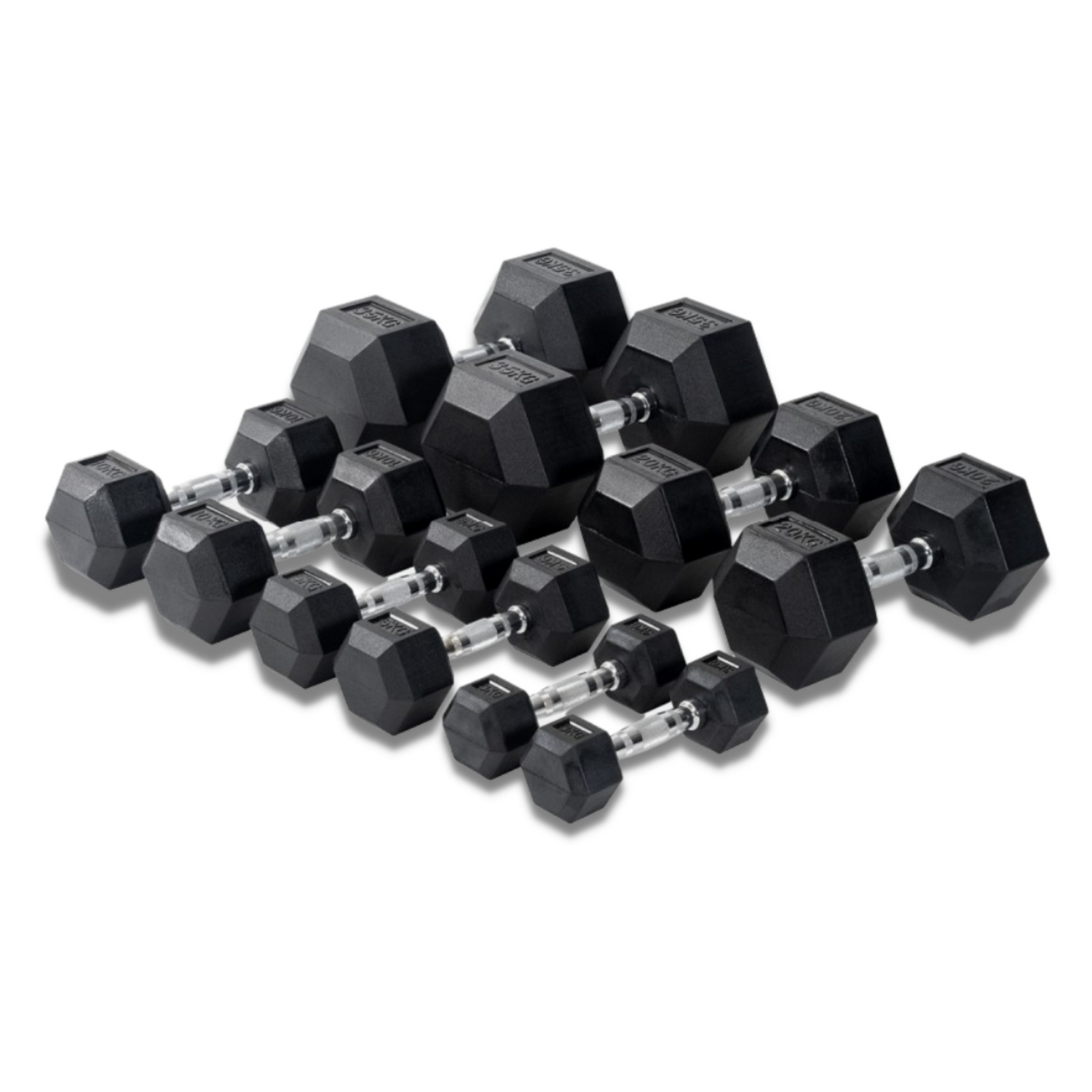
At Gym Direct, we make it easy to get started with quality equipment. Explore our range today.
Step 4: Recovery
Recovery is essential for AFL players due to the intense physical demands of the sport. Professional clubs support this with dedicated recovery facilities that include foam rolling, mobility work, stretching or yoga, and therapies like ice baths and infrared saunas to reduce inflammation and improve circulation. Proper management of these facilities and equipment ensures athletes recover faster, prevent injuries, and stay prepared for training and matches throughout the season.
Balanced Diet
Training like an AFL athlete requires the right fuel. A balanced diet ensures your body has the nutrients needed to perform, recover, and build strength.
Focus on consuming the right mix of macronutrients:
-
Protein for muscle repair and growth (chicken, fish, tofu, eggs, legumes)
-
Carbohydrates for energy (whole grains, fruits, vegetables)
-
Healthy fats for joint health and hormone balance (avocados, nuts, olive oil)
When these nutrients are consumed in the right proportions, they support training performance, recovery, and overall athletic development. Professional clubs often include nutrition centers within their fitness center facilities, representing additional business expenses that contribute to tax savings through proper financial planning.
Hydration
Hydration plays a major role in endurance sports like AFL. Even mild dehydration can reduce strength, stamina, and mental focus.
To maintain optimal performance:
-
Aim for 2–3 litres of water per day
-
Increase intake during intense training sessions
-
Use electrolyte drinks during longer workouts to replenish lost minerals
Proper hydration helps regulate body temperature, supports muscle function, and improves recovery after intense exercise. Modern fitness facilities include hydration stations as standard gym equipment throughout training areas.
Meal Timing
Timing your meals around workouts can maximise both performance and recovery.
Pre-workout (2–3 hours before training)
Eat a balanced meal with complex carbohydrates and lean protein to provide sustained energy.
Pre-training snack (30–60 minutes before)
Quick options like a banana with peanut butter or a protein smoothie can boost energy levels.
Post-workout recovery (within 30–60 minutes)
Consume a mix of protein and carbohydrates to replenish glycogen stores and support muscle repair.
Smart meal timing helps you train harder, recover faster, and stay consistent throughout the season. Professional gym ownership includes managing nutrition facilities that support optimal meal timing for athletes.
Final Thoughts: The Takeaway
The AFL season opener is more than just the start of the competition, it highlights the elite preparation, athleticism, and physical demands of modern football. From explosive speed and endurance to strength, recovery, and proper nutrition, AFL players rely on months of structured training to perform at their best. These same training principles can inspire anyone looking to improve their fitness, build strength, and develop the resilience needed to perform consistently both on and off the field.
FAQs
When does the AFL season opener take place?
The AFL season opener takes place at the beginning of the premiership season, usually in early March. It marks the first official round of matches where all clubs compete for premiership points after completing their preseason preparation at professional fitness centres.
Why is Round 1 important in the AFL season?
Round 1 is important because it sets the tone for the rest of the season. Teams use the opening matches to test their strategies, assess player fitness and build early momentum. A strong start can boost confidence and help establish a competitive position on the ladder.
How far do AFL players run during a match?
AFL players typically run between 12 and 15 kilometres per game. This distance includes a combination of endurance running, short sprints and rapid changes of direction, making AFL one of the most physically demanding team sports.
What type of training do AFL players do during preseason?
AFL preseason training focuses on building a strong athletic foundation at professional fitness facilities. Players typically work on endurance, strength, speed, agility and match-specific skills. Strength training with specialised gym equipment, interval conditioning and team strategy sessions are key components of their preparation.
What exercises help build strength for AFL performance?
Compound exercises are commonly used to build strength for AFL. Movements such as squats, deadlifts, lunges and bench presses help develop total-body power, improve stability and support explosive movements required during matches. These exercises are performed using professional-grade fitness equipment at elite training facilities.
Why is recovery important for AFL athletes?
Recovery allows athletes to repair muscles, reduce inflammation and maintain performance throughout the season. Techniques such as stretching, foam rolling, ice baths, and adequate sleep help prevent injuries and support long-term athletic development. Professional clubs invest in recovery equipment as part of their overall gym assets strategy.
What should athletes eat to train like an AFL player?
Athletes training for AFL performance should focus on a balanced diet that includes lean protein for muscle repair, carbohydrates for energy and healthy fats for overall health. Whole foods such as lean meats, fish, grains, fruits and vegetables help support training and recovery. Professional fitness studios often include nutrition guidance as part of their comprehensive
Disclaimer: The information provided in this article is for general guidance and informational purposes only. It should not be considered a substitute for professional advice or consultation. Always consult with a qualified fitness trainer or healthcare provider before starting any new exercise regimen or making significant changes to your fitness routine, especially if you have any underlying medical conditions or health concerns. The authors and publishers of this article do not assume any responsibility for the accuracy or completeness of the content and shall not be held liable for any direct, indirect, or consequential damages arising from the use of information contained herein. You are solely responsible for your health and fitness decisions, and any actions you take based on the information presented in this article are at your own risk.
Shop our range
SUBSCRIBE TO OUR NEWSLETTER
Recieve our latest weekly releases, offers, guides and more.