

Slow Down, Recharge & Recover now!
World Mental Health Day 2026: 8 Steps to Create Your Own Home Wellness Retreat
Posted by Gym Direct,9th October 2026
World Mental Health Day 2026: 8 Steps to Create Your Own Home Wellness Retreat
Life gets busy. Between work, family, fitness goals and everyday responsibilities, finding time to switch off can feel like another task on your never-ending to-do list. But when was the last time you genuinely gave yourself a moment to recharge?
World Mental Health Day 2026 falls on Saturday, 10 October, making it the perfect opportunity to slow down, reflect and prioritise your mental wellbeing.
The good news? You don't need to escape to a luxury resort to enjoy a little relaxation. With the right environment and a few simple habits, you can transform your home into a personal wellness retreat.
From gentle movement and strength training to sauna recovery, cold-water immersion and red light therapy, discover eight simple steps to create a home wellness routine that supports your physical and mental wellbeing.
Why World Mental Health Day 2026 Matters
World Mental Health Day is recognised globally on 10 October each year, raising awareness about mental health and encouraging conversations around emotional wellbeing, self-care and mental health support.
It's also an opportunity to reflect on the habits that shape our everyday lives. Are we getting enough sleep? Making time for exercise? Giving ourselves opportunities to relax?
Mental wellbeing isn't just about managing stress when life becomes overwhelming. It's also about developing healthy routines that help us maintain balance throughout the year.
The Connection Between Exercise, Recovery and Mental Wellbeing
When we think about fitness, we often focus on building muscle, improving endurance or reaching personal goals. But taking time to rest and recover is just as important.
Regular exercise can help improve mood, support better sleep and reduce symptoms of stress and anxiety. Whether it's walking, cycling or strength training, staying active provides an opportunity to disconnect from everyday pressures and focus on yourself. Meanwhile, adequate rest and recovery allow your body to recharge after physical activity.
By combining movement, strength training, relaxation and recovery, you can create a balanced approach to fitness that supports both your physical health and mental wellbeing.
How to Create Your Own Home Wellness Retreat in 6 Steps
Creating a home wellness retreat doesn't mean completely redesigning your house or spending a fortune on expensive equipment. It's about transforming your existing space into a comfortable, peaceful environment where you can escape everyday stress and focus on your wellbeing. Whether it's setting up a quiet corner for mindfulness, creating a dedicated recovery area or incorporating gentle exercise into your routine, small changes can make a big difference. By introducing simple movement, relaxation and recovery habits, you can create a personal retreat that helps you unwind, recharge and maintain a healthier balance between your physical and mental wellbeing.
Step 1: Create a Space That Encourages Relaxation
Create a relaxing home wellness retreat by choosing a quiet, clutter-free space where you can escape everyday distractions and focus on your wellbeing. Introduce soft lighting, calming colours, indoor plants and comfortable furnishings to create a peaceful atmosphere that encourages relaxation. You can also explore Home Gym Equipment to incorporate gentle movement, stretching and exercise into your daily routine, helping you create a balanced space for both physical and mental wellbeing.
Step 2: Start With Gentle Movement
Before settling into recovery mode, ease into your routine with 10–15 minutes of gentle movement, whether it's a short walk, light cycling or stretching. If you prefer exercising indoors, Treadmills and Exercise Bikes offer convenient ways to stay active regardless of the weather. Rather than focusing on speed or calories burned, listen to your body and enjoy moving at your own pace. Sometimes, slowing down is exactly what you need to relax and recharge.
Step 3: Build Confidence Through Strength Training
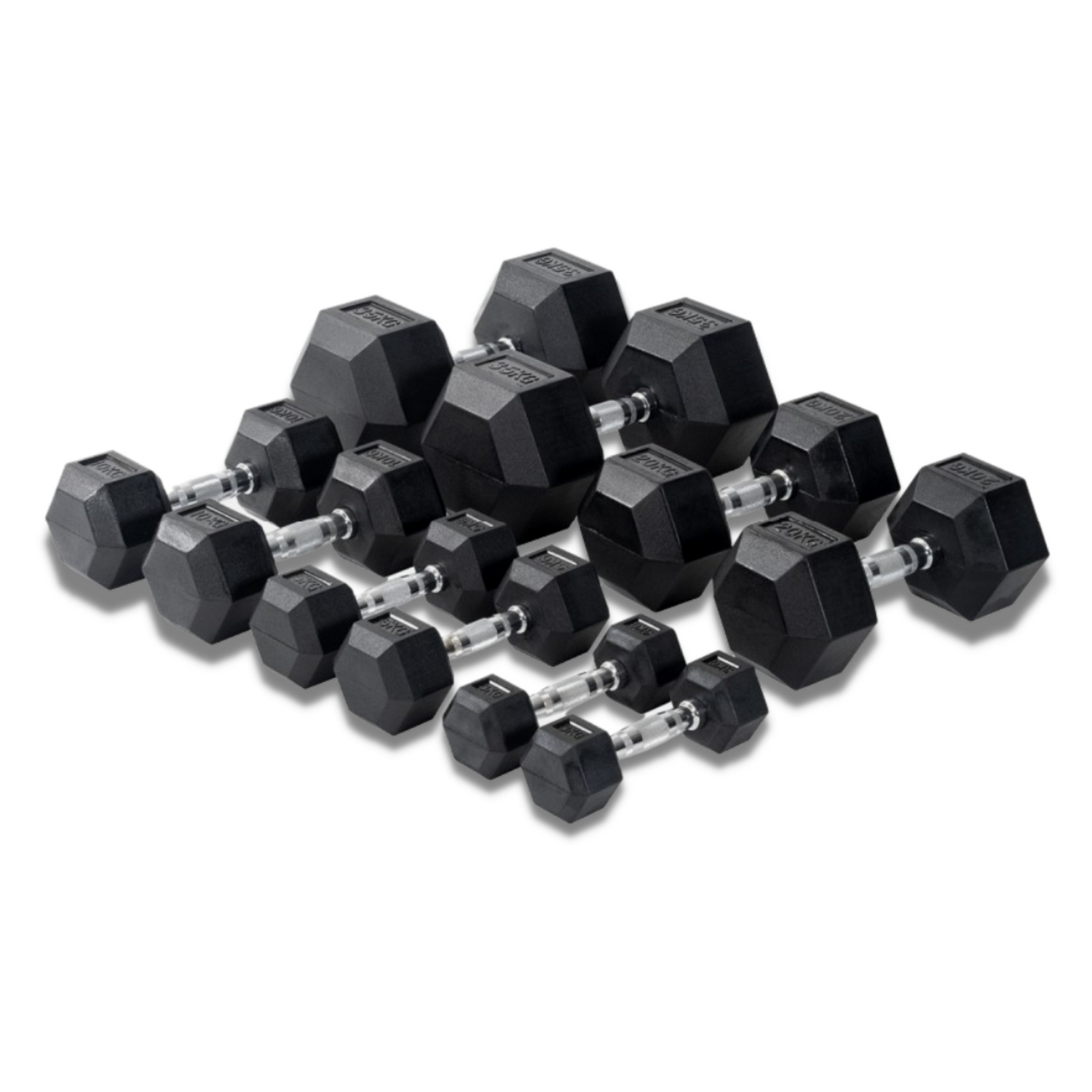
Strength training isn't just about building muscle. It can also support your mental wellbeing by improving mood, building confidence and providing a positive outlet for everyday stress. Incorporating Kettlebells, Rubber Hex Dumbbells and Adjustable Benches into your home fitness routine gives you more ways to stay active and challenge yourself. Whether you're performing light resistance exercises or building strength at your own pace, focus on controlled movements, consistency and enjoying the sense of accomplishment that comes with every workout.
Step 4: Unwind With Sauna Recovery
After a busy day or workout, unwind with a relaxing session in a Home Sauna, creating the perfect opportunity to disconnect from daily distractions and enjoy some quiet time. The soothing warmth may help ease physical tension and encourage relaxation, making it a great addition to your home recovery routine. Start with shorter sessions, stay hydrated and focus on breathing comfortably as you give your body and mind time to recharge. Always follow the manufacturer's safety recommendations and leave the sauna if you feel unwell.
Step 5: Refresh Your Body With Cold-Water Recovery
Looking for a refreshing way to recharge? Incorporating Ice Baths into your home wellness routine may help reduce muscle soreness after exercise while providing an invigorating recovery experience. If you're new to cold-water immersion, start with a cool shower rather than jumping straight into an ice bath, as colder temperatures aren't always better. Always prioritise safety, avoid sudden plunges and remember that recovery is about helping your body feel refreshed, not pushing it to its limits. Cold immersion isn't suitable for everyone, particularly those with certain cardiovascular conditions.
Step 6: Recharge With Red Light Therapy
Looking for another way to enhance your home wellness routine? The Halo Red Light Therapy Panel with Floor Stand & LED Face Mask Bundle offers a convenient way to incorporate red light therapy into your personal recovery space. Whether you're unwinding after a workout or taking a moment for yourself, this bundle can become part of a calming self-care ritual. While research into its direct mental health benefits remains limited, setting aside time for a quiet session can encourage relaxation, help you disconnect from everyday distractions and make recovery a regular part of your lifestyle. Always follow the recommended usage and eye-safety instructions.
Step 7: Practise Mindfulness and Slow Down
After focusing on physical recovery, take a moment to recharge your mind with simple mindfulness practices. Whether it's listening to calming music, practising gentle breathing or sitting quietly for 5–10 minutes, these small habits can help you unwind and disconnect from daily stress. Put your phone on silent, focus on the present moment and give yourself permission to slow down, relax and reconnect with yourself.
Step 8: Finish With Rest and Better Sleep Habits
Complete your home wellness retreat with a good night's sleep, giving your body and mind the time they need to rest and recover. Create a calming bedtime routine by dimming the lights, limiting screen time and keeping your bedroom comfortable. Aim for a consistent sleep schedule and allow yourself time to unwind before bed. Remember, recovery doesn't always require special equipment. Sometimes, quality sleep is the best way to recharge.
Final Thoughts: Make Time for Yourself This World Mental Health Day
World Mental Health Day 2026 is a reminder to prioritise your wellbeing, but making time for movement, relaxation and recovery matters throughout the year. Whether it’s a gentle treadmill walk, a strength training session, a relaxing sauna or a few minutes of mindfulness, creating a dedicated wellness space at home can help you build healthy habits and unwind after a long day.
From Home Gym Equipment and Saunas to Ice Baths and Red Light Therapy, Gym Direct offers fitness and wellness equipment to help you create a space for movement and self-care. This Saturday, 10 October 2026, take time to slow down, recharge and focus on yourself.
Ready to create your own home wellness retreat? Explore Gym Direct’s fitness and recovery equipment and start building a space that helps you move, recover and relax.
FAQs
When is World Mental Health Day 2026?
World Mental Health Day 2026 falls on Saturday, 10 October. The annual event raises awareness about mental health and encourages people to prioritise their emotional wellbeing, seek support when needed and develop healthy self-care habits.
How can exercise support mental health?
Regular physical activity can help improve mood, reduce symptoms of anxiety and depression, support better sleep and build confidence. Activities such as walking, cycling and strength training can all contribute to a balanced fitness routine that supports mental wellbeing.
Is strength training good for mental wellbeing?
Strength training can support mental wellbeing by helping improve mood, build confidence and provide a sense of achievement. Exercises using kettlebells, dumbbells and adjustable benches can also help establish a consistent fitness routine that supports both physical and mental health.
Can sauna sessions help with stress and relaxation?
Many people find sauna sessions relaxing, and the warmth may help ease physical tension after exercise. However, research into specific mental health benefits is still developing, and sauna use should complement rather than replace established mental health care.
What are the benefits of red light therapy for recovery?
There's no single schedule that works for everyone. Start with manageable activities such as daily stretching, short walks or a few minutes of mindfulness. Consistency and enjoyment are more important than following an intense or complicated routine.
Disclaimer: The information provided in this article is for general guidance and informational purposes only. It should not be considered a substitute for professional advice or consultation. Always consult with a qualified fitness trainer or healthcare provider before starting any new exercise regimen or making significant changes to your fitness routine, especially if you have any underlying medical conditions or health concerns. The authors and publishers of this article do not assume any responsibility for the accuracy or completeness of the content and shall not be held liable for any direct, indirect, or consequential damages arising from the use of information contained herein. You are solely responsible for your health and fitness decisions, and any actions you take based on the information presented in this article are at your own risk.
Shop our range
SUBSCRIBE TO OUR NEWSLETTER
Recieve our latest weekly releases, offers, guides and more.